


We're Here to Assist You
Roof Inspection – A Recent Job & Some Homeowner Tips
Category: Holiday
Published: 02 Aug, 2026
By Ryan, Owner, ClearVUE Home Inspection
What I Walked Into
By August, we've usually had plenty of hot weather, a few strong storms, and enough heavy rain to expose roofing issues that weren't obvious earlier in the year. Around the Carolinas, this is when I start getting more calls from homeowners who have noticed something that just doesn't seem right.
A few weeks ago, I met with a homeowner who said they hadn't seen any leaks, but after one of the recent storms they noticed a few shingles lying in the yard. They also mentioned that one section of their gutters kept overflowing whenever it rained hard.
From the ground, the roof didn't look too bad. There wasn't anything that immediately stood out, but they wanted to make sure they weren't overlooking something that could become a much bigger repair later.


The Problem
Once I got a closer look, it became clear that the roof had been dealing with gradual wear for quite a while.
Several shingles had started losing granules, which is something I commonly see after years of exposure to strong sun and changing weather. A few others had begun curling around the edges, making them more vulnerable during heavy wind and rain.
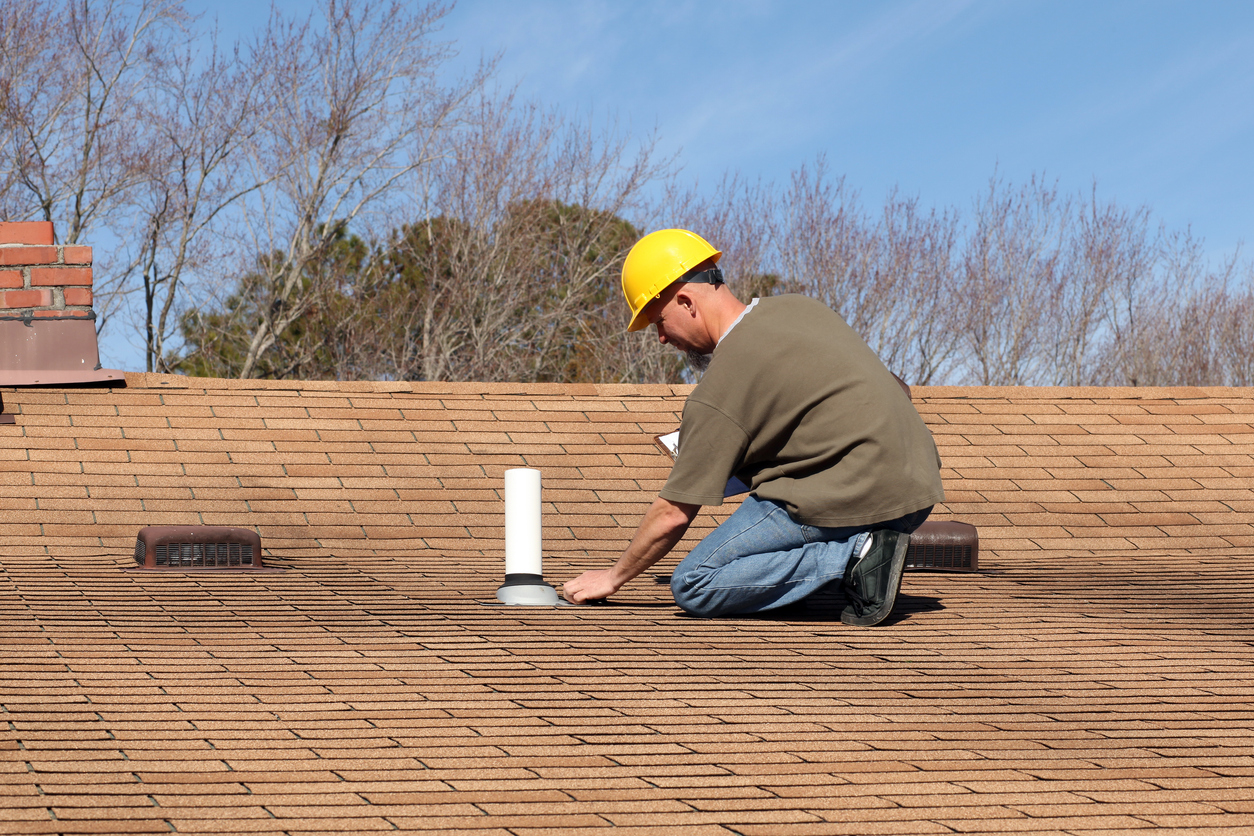
The flashing around one vent pipe had also started separating slightly. It hadn't created an active leak yet, but it was definitely an area that needed attention before water found its way underneath.
The gutters were part of the problem too. Leaves and debris had collected in one section, slowing the flow of water. Instead of draining properly, water was backing up against the roof edge during heavier storms.
Inside the attic, everything was still in good shape overall, but I did find a few small areas where moisture staining had just started. It wasn't serious yet, but it confirmed that water had begun finding small paths into the roofing system.
This is something I see quite a bit around the Carolinas. Roofs rarely fail all at once. Most of the time they give homeowners small warning signs long before a major leak develops.
The Process
I started with a complete walk around the exterior, checking the roof from several angles before moving in for a closer inspection. I looked at the overall condition of the shingles, flashing, roof penetrations, valleys, and gutter system.
Next, I inspected the gutters and downspouts to make sure water could move away from the roof properly. Poor drainage is often what accelerates roof wear, especially after repeated summer storms.
From there, I moved into the attic. I checked the roof decking, insulation, ventilation, and any areas that showed signs of moisture. Even when there isn't an active leak, these areas usually tell the story of what's happening above.
Inside the home, I checked ceilings around the affected section of the roof along with nearby walls to make sure there weren't any hidden signs of moisture.
As always, I documented everything with photos and straightforward notes. Then I walked through each finding with the homeowner so they understood what needed immediate attention, what could be monitored, and what routine maintenance would help extend the life of the roof.
The Outcome
The homeowner scheduled the recommended repairs before the next round of storms moved through.
The damaged shingles were replaced, the flashing was resealed, and the gutters were thoroughly cleaned. They also trimmed back a few tree branches that had been dropping debris onto the roof throughout the summer.
Because everything was handled early, there was no need for major roof repairs or interior work. The small moisture staining in the attic never developed into a larger issue, and the roof was in much better shape heading into the fall.
When I checked back with them later, they said they no longer worried every time rain was in the forecast. The gutters were draining properly again, and they felt much more confident knowing the roof had been looked over before small problems had a chance to grow.
Sometimes that's the biggest benefit of an inspection. You leave with a clear understanding of your home's condition instead of wondering what's happening every time the weather changes.

DIY Advice I Shared
Here are a few simple things I recommend homeowners check during late summer:
1. Take a walk around your home after a storm and look for shingles that may have blown loose or fallen into the yard.
2. Keep gutters and downspouts free of leaves, pine needles, and other debris so water can drain properly.
3. Look at the roof from the ground every few months. If you notice curled shingles, dark patches, or uneven areas, they're worth having checked.
4. If you have attic access, take a quick look after heavy rain. Damp insulation, musty smells, or water stains are often early signs that moisture is getting in.
5. Trim back tree branches that hang over the roof. They can scrape shingles during windy weather and continually drop debris into the gutters.
Most of these checks only take a few minutes, but they can help catch roofing issues before they become expensive repairs.
"It's brighter than before!"
— Megan

Professional Insight
One thing I remind homeowners is that roof maintenance isn't just about fixing leaks.
A well-maintained roof protects everything underneath it. When small maintenance items are ignored, water often finds its way into insulation, framing, and ceilings long before homeowners realize there's a problem.
Regular inspections help identify those early warning signs while repairs are still relatively straightforward.
Around the Carolinas, our roofs deal with intense summer heat, strong storms, and plenty of rain. Keeping up with maintenance throughout the year usually costs far less than waiting for a major repair.
Closing Thoughts
This inspection was another reminder that roof maintenance is really about paying attention to the small things.
A loose shingle, a clogged gutter, or worn flashing may not seem urgent today, but those are often the first signs that it's time to take a closer look.
If you're in the Carolinas and haven't checked your roof in a while, late summer is a good opportunity to make sure everything is ready before the weather starts changing again.
Thanks for reading,
– Ryan Pigg
Address
12824 Cathy Ct, Midland, NC 28107, United States


© 2025 ClearVUE Home Inspection. All rights reserved.