

We're Here to Assist You
Pre Drywall Inspections - A Recent Job & Some Homeowner Tips
Category: Holiday
Published: 15 March 2026
By Ryan, Owner, ClearVUE Home Inspection
What I Walked Into
March is when things really start picking up around Carolinas. Construction sites get busy, framing goes up fast, and everyone’s racing to stay on schedule before spring turns into full-on building season.
Earlier this month, I got a call from a couple building their first home just outside Charlotte. Their agent recommended a pre-drywall inspection, and they wanted to understand what that actually meant.
The house was fully framed, electrical and plumbing were in, and drywall was scheduled for the following week. No obvious problems—just a gut feeling that this was the right time to take a closer look.
The Problem
Once I walked the property, it became clear why pre-drywall inspections matter so much. On the surface, the house looked like it was coming together well. Framing was up, trades had been through, and everything appeared clean and organized. There were no leaks, no obvious damage, and nothing most people would catch during a quick walkthrough.
But once you slow down and really look, that’s where the issues start to show.
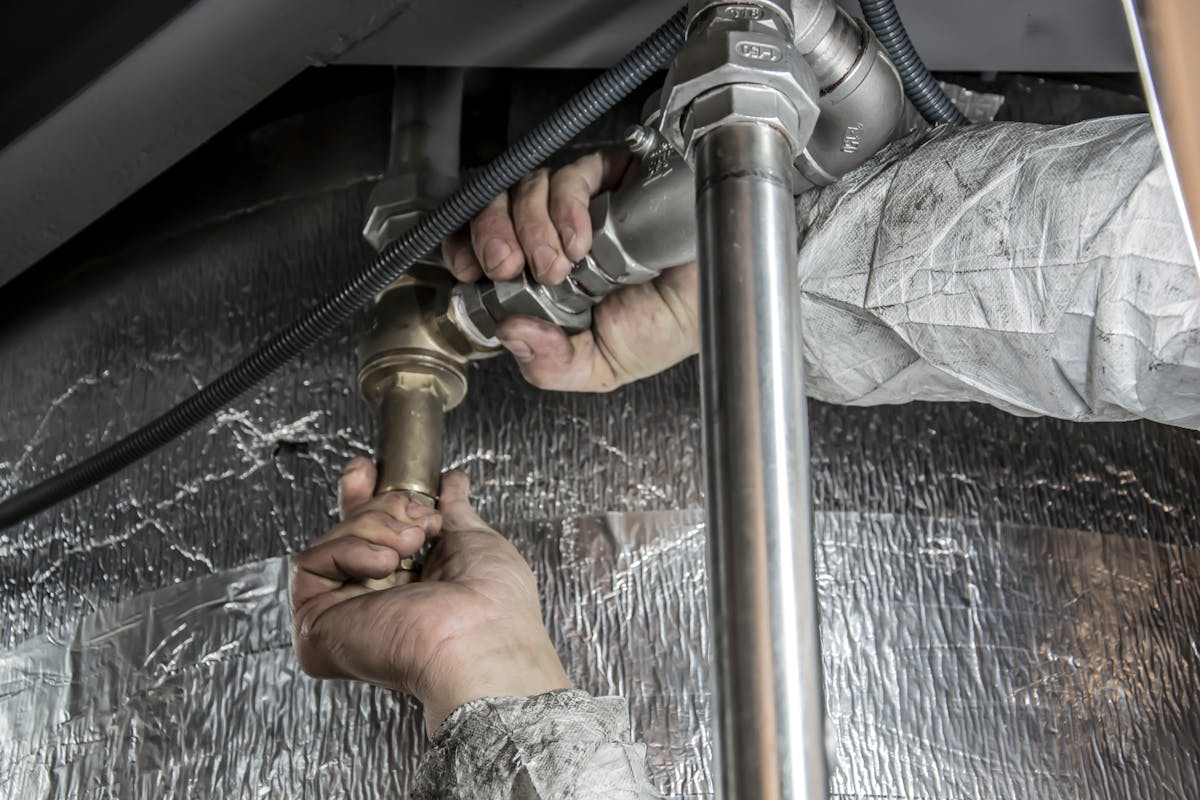
I found a few framing sections that weren’t secured as tightly as they should have been. Nothing dangerous at the moment, but over time those areas could shift and cause drywall cracks or squeaks. I also noticed plumbing lines running very close to sharp framing edges. That’s the kind of thing that can wear through a pipe years later and cause a leak inside a finished wall.
There were insulation gaps in several spots that would have led to cold rooms and uneven temperatures once the home was occupied. Near the sill plates, I found small openings that wouldn’t be noticeable after drywall, but they would be easy access points for rodents once the weather cooled down.
None of these issues were dramatic or urgent, but that’s exactly the point. These are the problems that don’t get attention until long after the house is finished—when repairs are more expensive, more invasive, and more frustrating.
The Process
During a pre-drywall inspection, I take my time and go through the home piece by piece. I start with the framing, checking how everything is tied together, looking at load points, and making sure things are secured the way they should be.
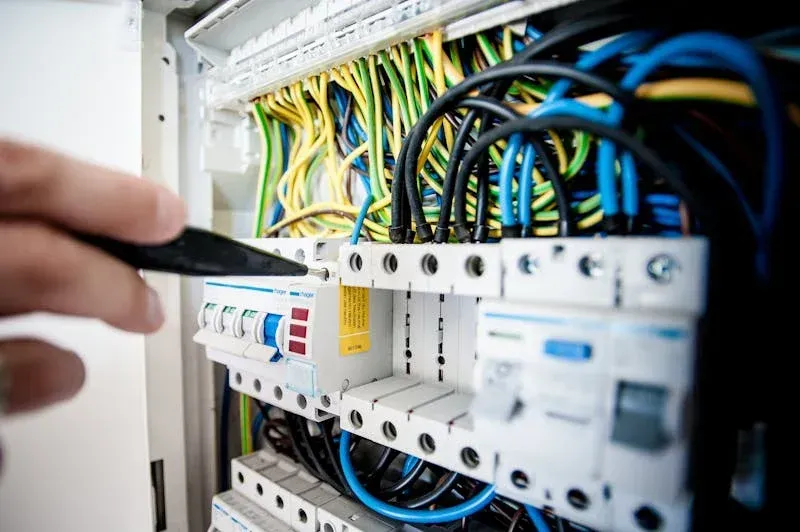
From there, I review plumbing runs to see how lines are routed and protected. I check electrical placement for spacing, support, and general workmanship. I also look at HVAC rough-ins to make sure ductwork and components are positioned properly before they’re sealed behind walls and ceilings.
In this home, I spent extra time in the crawlspace and along the exterior framing. Those areas tend to get rushed, and that’s where small details are often missed. I found gaps that needed sealing and areas where insulation would need to be adjusted before drywall went up.
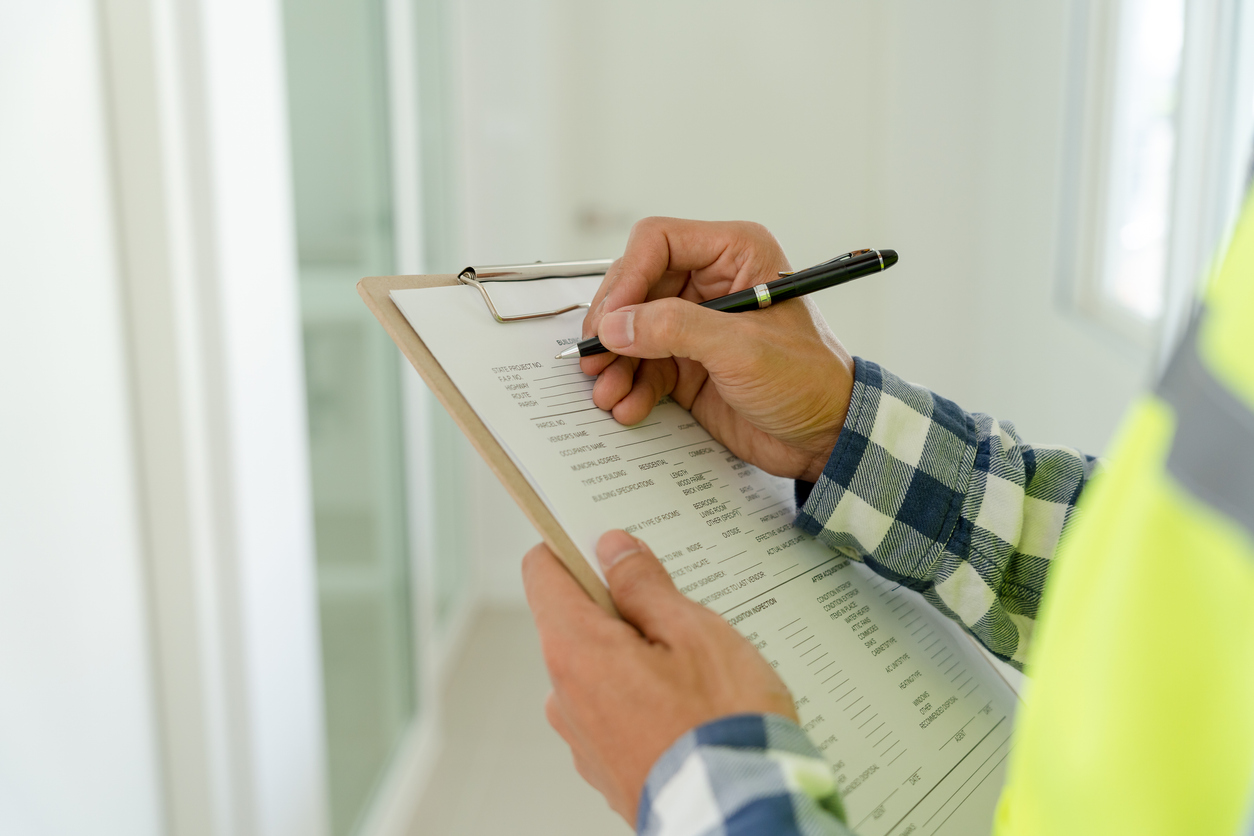
I documented everything with photos and clear notes so the homeowners could actually see what I was seeing. Once the walkthrough was done, we sat down and went through it together. I didn’t overwhelm them with technical terms or building specification language. I just explained what I found, why it mattered, and which items would be easiest to address now—before drywall made everything harder to reach.
The Outcome
The builder reviewed the inspection findings and took care of the issues without delay. A few framing connections were tightened up, insulation gaps were filled in, and the small openings along the exterior were sealed before any drywall went up. None of the fixes were complicated, and they didn’t slow the project down.
When I checked back in later, the homeowners said they felt much more comfortable moving forward. They knew exactly what had been addressed and what was behind the walls of their future home.
There was no second-guessing or lingering worry about whether something had been overlooked.
Because everything was handled at the right stage, the time and cost to fix these items were minimal. If the same issues had been found after drywall was installed, the repairs would have been far more disruptive and expensive. Catching them early made all the difference.


DIY Advice I Shared
Before wrapping up, I shared a few things they could do to stay involved as construction continued:
✔ Walk through the home before drywall goes up and look for any obvious gaps, loose materials, or unfinished areas
✔ Speak up if something doesn’t look right or feels unclear—this is the easiest stage to ask questions
✔ Take photos of the framing, plumbing, and wiring for future reference once the walls are closed
✔ Confirm that exterior penetrations are sealed before insulation is installed
✔ Avoid rushing through this phase just to stay on schedule—this is the window where corrections are simplest
They stayed involved, asked good questions along the way, and it helped keep everything on track. Being part of the process early made the rest of the build smoother and less stressful.
"It's brighter than before!"
— Megan
Professional Insight
Pre-drywall inspections aren’t about pointing fingers or slowing a project down. They’re about timing. This is the last point in the build where everything inside the walls is still visible and easy to access.
Once drywall goes up, that visibility is gone. If something was missed—whether it’s a framing detail, a plumbing line, or an unsealed gap—you usually won’t find out until there’s a problem. And at that point, fixing it means opening finished walls, patching drywall, and dealing with extra costs.
This stage gives homeowners one of the best chances to protect their investment. In new construction, everything can look finished and clean from the outside, even when small details still need attention behind the walls. Catching those details now is simpler, cheaper, and a lot less disruptive later on.
Closing Thoughts
Every pre-drywall inspection reminds me how much difference timing makes. A short inspection at the right moment can prevent years of frustration down the road.
If you’re building a home anywhere in Carolinas and drywall hasn’t gone up yet, this is the window where inspections matter most. If something feels worth checking, it probably is.
Thanks for reading,
– Ryan Pigg
Address
12824 Cathy Ct, Midland, NC 28107, United States


© 2025 ClearVUE Home Inspection. All rights reserved.