

We're Here to Assist You
Heating Up Trouble – Winter HVAC Woes You Can’t Ignore
Category: Holiday
Published: 03 Feb 2026
By Ryan, Owner, ClearVUE Home Inspection
What I Walked Into
Once I started the inspection, it became clear pretty quickly why the house wasn’t staying warm. The HVAC system was running almost nonstop, but the heat wasn’t reaching the rooms the way it should. The system was trying to keep up, but it was fighting itself the whole time.
A few things stood out right away:
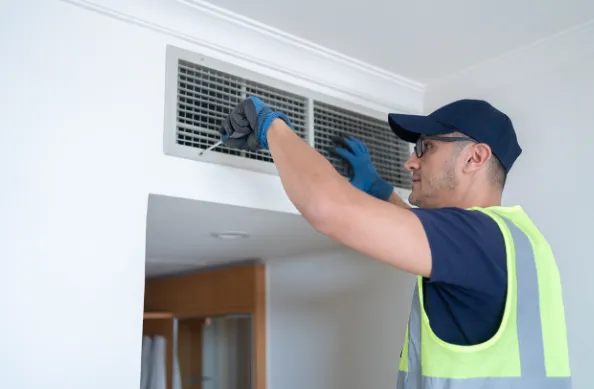
✔ The air filter was heavily clogged, which was restricting airflow and forcing the system to work harder than necessary.
✔ Several supply vents had very weak airflow, especially in the back rooms of the house.
✔ The system was short-cycling—turning on and off more often than it should—which usually points to airflow or efficiency problems.
✔ In the attic, parts of the ductwork had gaps and loose connections, allowing warm air to escape before it ever made it into the living space.
Nothing had completely failed yet. The heat was still turning on, and the system hadn’t shut down. But all the warning signs were there. These are the kinds of issues that slowly build up and usually show themselves when the system is under the most stress—often on the coldest day of the year, when you can least afford a breakdown.
The Process
As part of our standard inspection, I went through the HVAC system step by step to figure out where the breakdown in performance was happening.
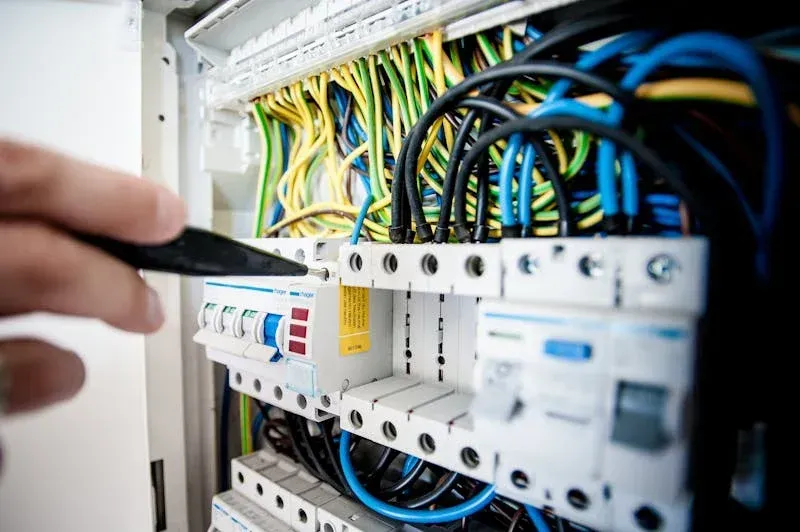
I started by checking airflow at each vent throughout the house to see how evenly heat was being delivered. That helped confirm which areas were being affected the most. From there, I inspected the furnace itself—listening for unusual noises, watching how frequently it cycled, and checking the overall condition of visible components.
Next, I went up into the attic. That’s where things really came together. I found sections of ductwork that had slowly separated over time. Warm air was leaking into the attic instead of flowing into the rooms below. On top of that, the insulation around the ducts wasn’t doing much to help keep the heat where it belonged.
Once I had the full picture, I walked the homeowner through everything I found. I kept it simple—no technical overload. I explained what was happening, why it mattered, and what could realistically happen if nothing was done. The goal was just to give them clear information so they could make the right decision for their home.
The Outcome
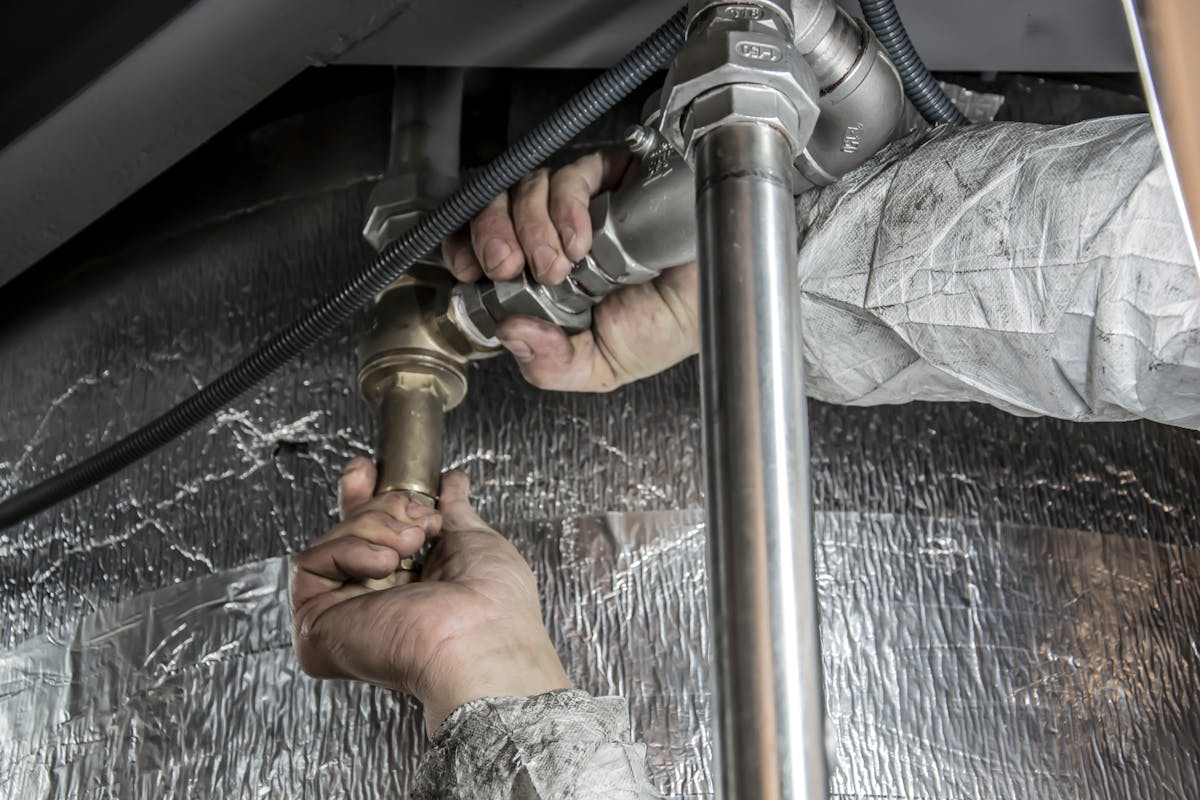
After the inspection, the homeowner shared the report with a local HVAC contractor. Having everything clearly documented made the next steps easy. The fixes didn’t involve replacing the entire system—just addressing the problem areas that were holding it back. The contractor replaced the filter, sealed the loose duct connections in the attic, and performed a general system tune-up.
About a week later, I heard back from them. They said the difference was noticeable almost right away. The house finally felt evenly warm, even in the rooms that had been cold all winter. The system wasn’t kicking on and off constantly anymore, and it sounded smoother when it did run.
They also mentioned that their energy usage was already trending down compared to earlier in the season. But more than anything, they were relieved. The system was stable again, and they weren’t worried about losing heat during the next cold snap. Avoiding a mid-winter breakdown took a lot of stress off their plate—and that peace of mind was the biggest win.

DIY Advice I Shared
Before I left, I gave them a few things they could realistically handle on their own moving forward:
✔ Check HVAC filters monthly during winter and replace them as soon as they start to look dirty
✔ Walk through the house and make sure vents aren’t blocked by furniture, rugs, or curtains
✔ Pay attention to rooms that feel colder than others—this often points to duct or airflow issues
✔ Listen for changes in how often the system turns on and off, especially frequent short cycling
✔ Keep the thermostat set at a steady temperature instead of making big daily adjustments
✔ Make sure return vents are clear and not covered or painted over
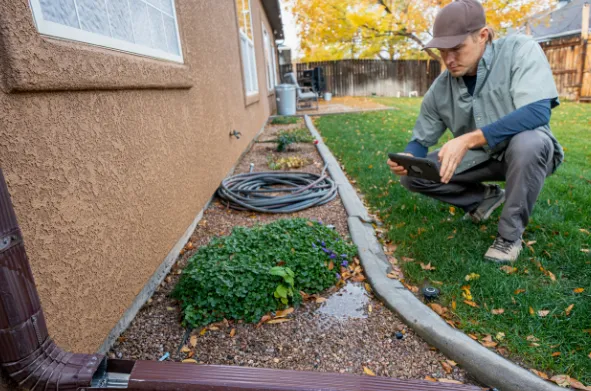
✔ Take a quick look in the attic or basement once a season to see if any duct sections look loose or damaged
They followed through on these basics, and it made a noticeable difference in how evenly the house heated and how often the system had to run.
"It's brighter than before!"
— Megan
Professional Insight
Some HVAC issues are easy to miss if you’re living with them every day. Gradual changes feel normal until something finally fails. An inspection doesn’t replace HVAC service, but it helps catch early signs that something isn’t right—before it becomes an emergency.
Winter puts more strain on heating systems than any other season. That’s why HVAC evaluations are always part of our inspections at ClearVUE.
Closing Thoughts
This inspection was a good reminder that most home problems don’t start big—they start quietly. A little attention at the right time can prevent a lot of frustration later.
If you’re in the Carolinas and your home feels colder than it should, or your system seems to be working harder than normal, it might be time to take a closer look.
Thanks for reading,
– Ryan Pigg
Address
12824 Cathy Ct, Midland, NC 28107, United States


© 2025 ClearVUE Home Inspection. All rights reserved.