


We're Here to Assist You
Common Roofing Issues: A Recent Job & Some Homeowner Tips
Category: Holiday
Published: 02 June, 2026
By Ryan, Owner, ClearVUE Home Inspection
What I Walked Into
June is when roofing issues really start showing themselves across the Carolinas. After spring storms and weeks of changing temperatures, I start getting calls from homeowners who notice something small that suddenly doesn’t seem normal anymore.
A few weeks ago, I got a call from a homeowner who had noticed a light water stain forming near the corner of a bedroom ceiling. At first, they thought it might have just been an old mark, but after a few heavy rains, it started getting darker.
The home itself looked fine from the outside. Nothing obvious stood out from the driveway, and there hadn’t been any major leaks or water pouring in. But they wanted to get ahead of it before it turned into something bigger.

The Problem
Once I started going through the inspection, the source became a lot clearer.
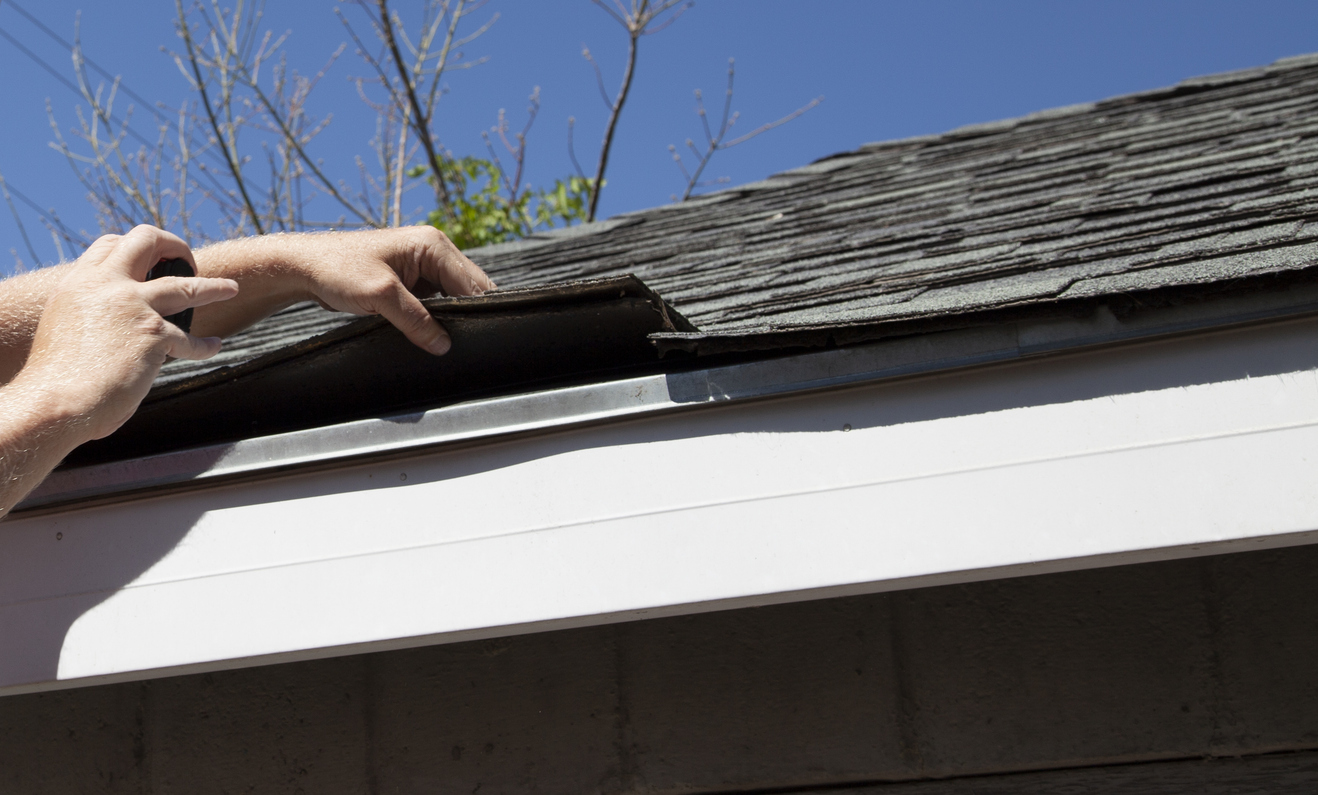
There were a few shingles near one section of the roof that had started lifting and curling. They weren’t missing completely, but they were worn enough to let water work underneath during heavier rain.
Around one of the roof penetrations, the flashing had also started separating slightly. Again, nothing dramatic—but enough to create a path for moisture over time.
Inside the attic, I found damp insulation near the affected area along with early signs of moisture staining on the wood decking. It hadn’t reached the point of structural damage, but it had clearly been happening for a while.
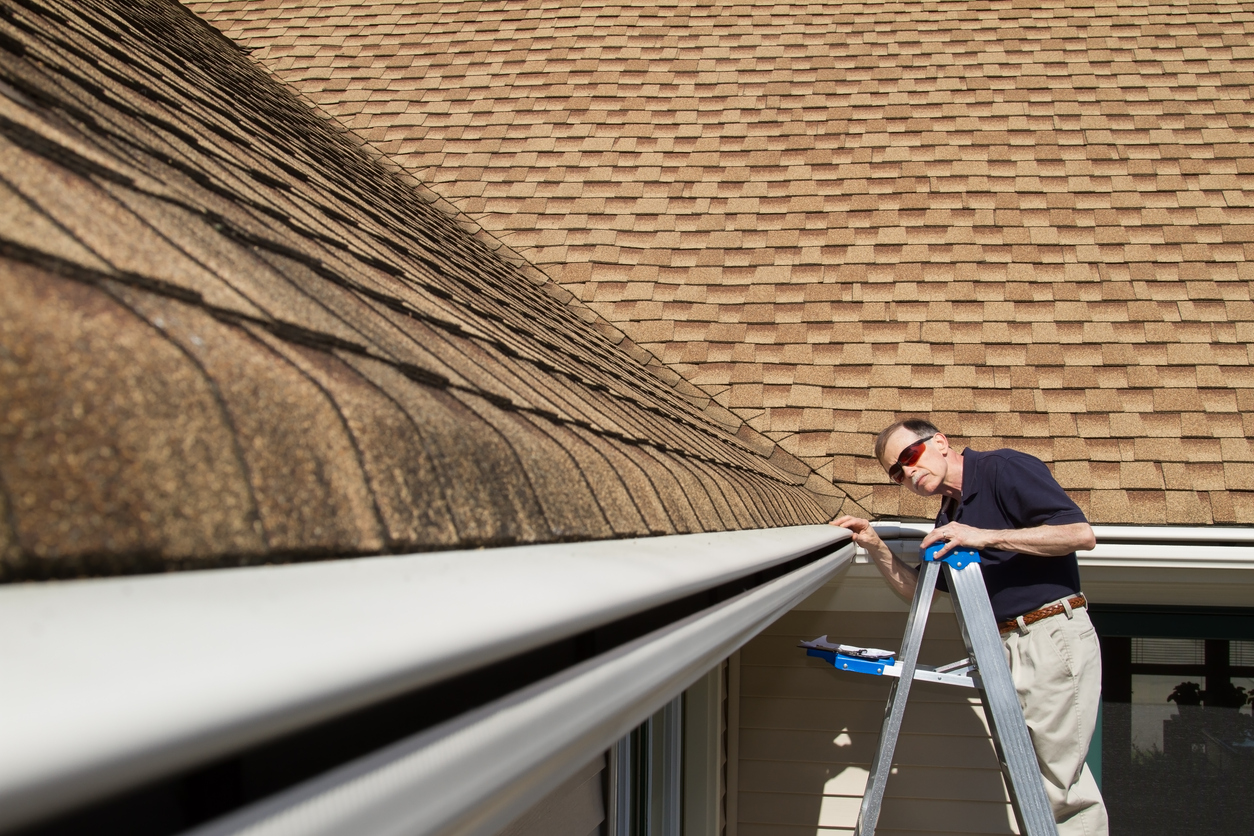
I also noticed the gutters in that section weren’t draining properly. Water was backing up instead of moving away from the roofline, which added even more moisture to an already vulnerable area.
This is something I see pretty often in the Carolinas during early summer. Roofing problems usually don’t start with a major failure. They start with small wear points that slowly get worse every time it rains.
The Process
I started outside with a full walk around the property before moving onto the roof itself. I checked the condition of the shingles, looked for soft spots, and paid close attention to valleys, flashing, and areas around vents.
Once I identified the section where water was likely getting in, I moved into the attic to see how far the moisture had spread. I checked the insulation condition, roof decking, airflow, and ventilation around that part of the home.
I also inspected the gutters and downspouts to make sure water was actually draining away the way it should. In this case, debris buildup had slowed things down enough to create overflow during storms.
Inside the house, I checked the ceiling stain itself along with nearby areas to make sure the moisture hadn’t spread further than expected.
I documented everything with photos and simple notes, then sat down with the homeowner and walked through it step by step. I explained what had likely been happening, which issues needed immediate attention, and which ones could simply be monitored moving forward.
Nothing overwhelming—just clear information so they could make the right decisions before the problem grew.
The Outcome
The homeowner scheduled repairs fairly quickly after the inspection. The damaged shingles were replaced, the flashing around the roof penetration was resealed properly, and the gutters were cleaned and adjusted to improve drainage.
Because the issue was caught early, the repairs stayed relatively simple. The insulation near the leak was replaced before mold or larger moisture problems developed, and the roof decking was still in good condition overall.
When I checked back in later, they said the ceiling stain had stopped spreading and there hadn’t been any new moisture issues during recent storms. The attic also felt drier, and they weren’t noticing the damp smell that had started showing up earlier.
They mentioned that before the inspection, every heavy rain made them wonder if more water was getting in somewhere they couldn’t see. After the repairs were completed, that stress was gone. They felt much more confident about the condition of the roof moving into the rest of the summer season.
More than anything, they felt relieved knowing the problem had been identified before it turned into a much larger and more expensive repair.

DIY Advice I Shared
Before I left, I walked them through a few simple things homeowners can keep an eye on during the summer months.
I told them to occasionally check the roofline from the ground and look for shingles that appear lifted, curled, or uneven. Even small changes can be an early sign of wear.
I also recommended keeping gutters clear, especially after storms, since backed-up water is one of the biggest contributors to roof edge problems.
Another thing I mentioned was checking attic spaces after heavy rain if possible. Damp smells, wet insulation, or discoloration on wood are usually signs that moisture is getting in somewhere.
Inside the home, I suggested paying attention to ceiling discoloration or paint changes, even if they seem minor at first.
Most roofing problems don’t start big. They build slowly over time.
"It's brighter than before!"
— Megan

Professional Insight
One of the biggest misconceptions I see is homeowners waiting until there’s an active leak before checking the roof.
By the time water is dripping inside the home, the issue has usually been developing for quite a while.
Most roofing problems are easier and less expensive to deal with when they’re caught early. Small flashing separations, worn shingles, or drainage issues can often be handled before they turn into damaged insulation, mold, or structural repairs.
That’s why regular inspections matter, especially after winter and spring storms here in the Carolinas.
Closing Thoughts
This inspection was a good reminder that roofing issues usually start quietly.
A small stain, a backed-up gutter, or a few worn shingles might not seem urgent at first, but those small signs are usually worth paying attention to.
If something around your roof feels off this summer, it’s better to look at it early rather than wait for a bigger problem later.
Thanks for reading,
– Ryan Pigg
Address
12824 Cathy Ct, Midland, NC 28107, United States


© 2025 ClearVUE Home Inspection. All rights reserved.