


We're Here to Assist You
Attic Inspections: A Recent Job & Some Homeowner Tips
Category: Holiday
Published: 01 Sep, 2026
By Ryan, Owner, ClearVUE Home Inspection
What I Walked Into
September is a good time to take a closer look at attics here in the Carolinas. After months of summer heat, humidity, and storms, attic spaces can tell you quite a bit about how the rest of the home has been holding up.
Earlier this month, I inspected a home where the homeowners had started noticing that one side of the upstairs stayed warmer than the other.
They weren't dealing with a leak that they knew of, and there weren't any stains showing through the ceilings. Their HVAC system seemed to be working normally too. They mainly wanted to know why that part of the house didn't feel the same as the rest.
Once I got into the attic, there were a few things that helped explain what they had been noticing.

The Problem
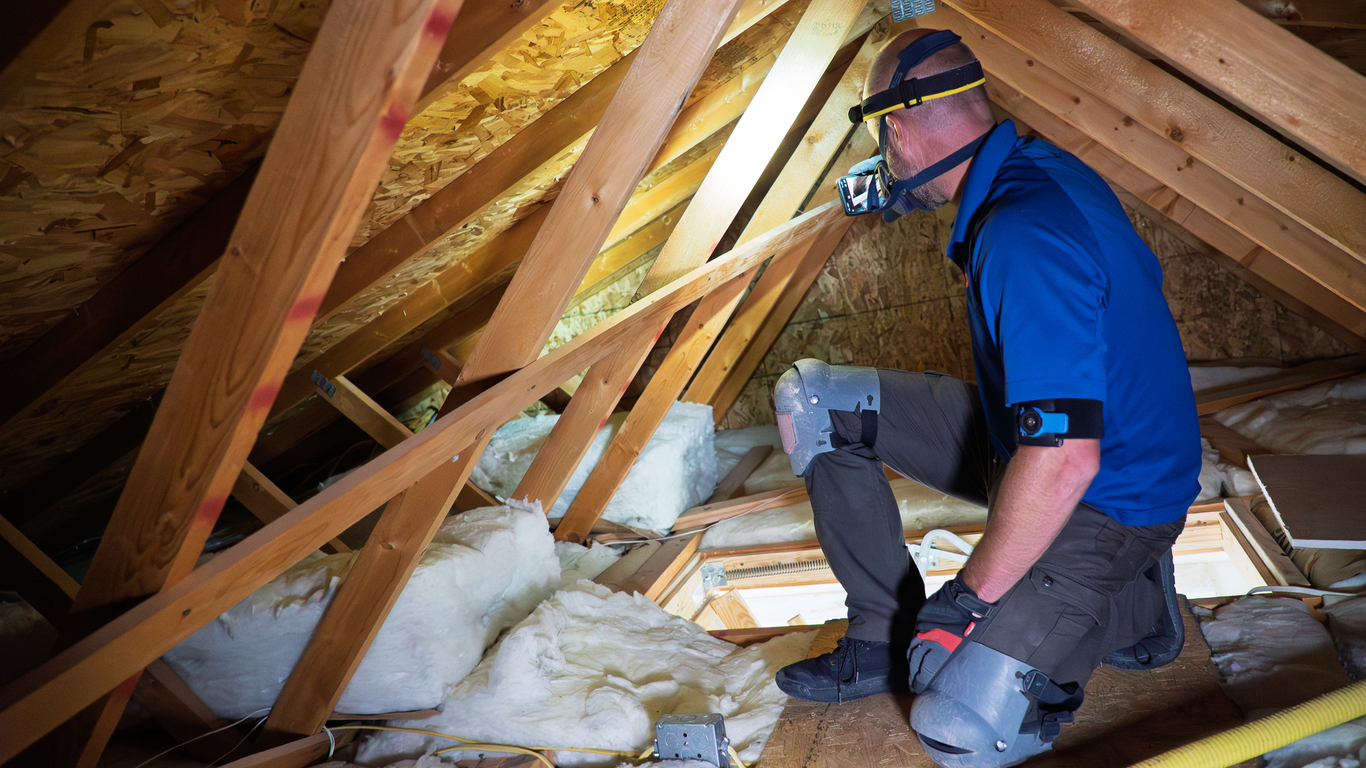
The first thing I noticed was the insulation. Some sections had settled over time, while other areas had been pushed aside around wiring and previous work. That left parts of the ceiling below with much less coverage than the rest of the attic.
Ventilation was another concern. Air wasn't moving through the attic as well as it should have been, and the space was holding more heat and humidity than I would normally want to see.
Then I found some light moisture staining on the roof decking near one section of the attic. There wasn't an active leak while I was there, but the staining showed that moisture had been present before.
None of these findings were major by themselves. Together, though, they explained quite a bit.
The uneven insulation was contributing to the temperature difference upstairs. Poor airflow was allowing heat and humidity to stay trapped longer, and the moisture staining was something that needed to be watched and addressed before it became a bigger problem.
That's one reason I pay so much attention to attics during inspections. A homeowner may notice something downstairs, but the actual cause can be sitting right above the ceiling.
The Process
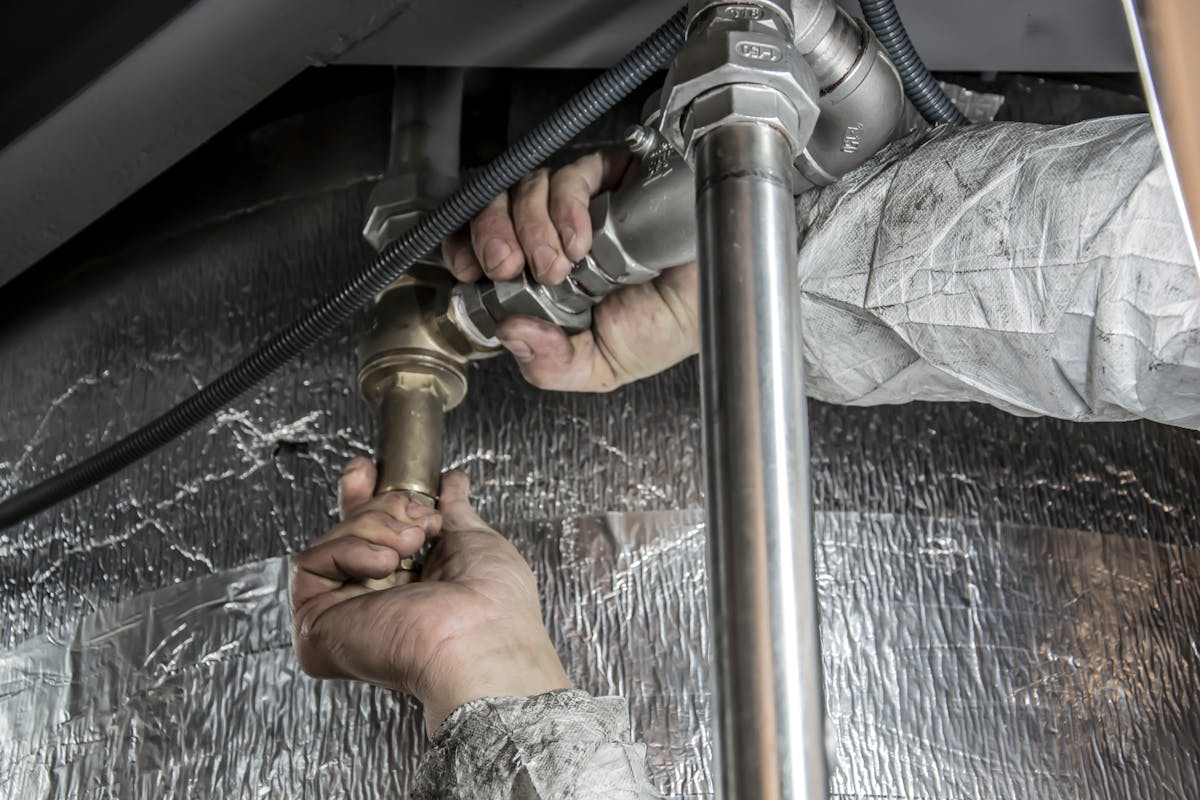
I started by checking the attic access and the area immediately around it. From there, I worked through the space carefully, looking at insulation coverage, roof decking, framing, ventilation, and any visible plumbing, electrical, or HVAC components.
With the insulation, I wasn't only looking at how much there was. I was looking for thin spots, areas that had been moved, and sections where coverage wasn't consistent.
Next, I checked the underside of the roof for staining or other signs that moisture had been getting in. I paid particular attention around roof penetrations and other areas where leaks are more likely to develop.
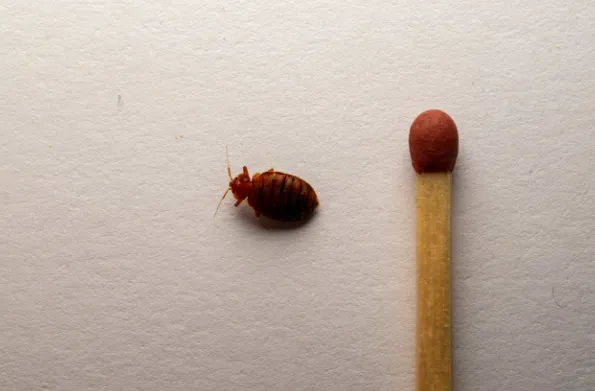
I checked the perimeter for openings as well. Small gaps around vents, soffits, and other exterior areas can allow insects or rodents into a space that homeowners rarely visit.
Once I finished, I took the homeowner through the photos and explained what each finding meant. We talked about which items were worth addressing first and which ones could simply be monitored.
I try to keep that part straightforward. If something needs attention, I explain why. If it isn't urgent, I make that clear too.
The Outcome
The homeowners started with the areas that were affecting the house the most.
They had the insulation corrected where coverage was thin and made sure the attic ventilation wasn't being restricted. The small exterior opening was sealed, and they had the area around the moisture staining checked to make sure there wasn't an active roofing issue that needed repair.
The good news was that nothing had progressed far enough to require major work. The roof decking was still solid, there wasn't widespread moisture damage, and the insulation problems could be corrected without tearing into finished areas of the home.
When I followed up, they told me the upstairs was already feeling more consistent.
That's important because attics are easy to forget about. Most homeowners don't have a reason to go up there regularly, so problems can sit unnoticed for quite a while.
In this case, checking the attic while the problems were still small gave them a chance to take care of everything without turning it into a much larger project.

DIY Advice I Shared
I gave the homeowners a few simple things they could keep an eye on going forward:
1. If one room suddenly becomes much warmer or colder than the others, insulation or airflow may be part of the problem.
2. A new musty smell, unusual heat, or visible moisture is worth paying attention to.
3. Large bare areas, compressed insulation, or sections that have been moved can affect comfort and efficiency.
4. Small stains or discoloration can be an early indication that moisture is getting through somewhere above.
5. Insulation or stored belongings shouldn't be blocking areas that are meant to allow air to move through the attic.
6. Scratching or movement above the ceiling, particularly at night, can be a sign that something has found its way inside.
You don't need to climb around the attic regularly to keep an eye on it. Most of the time, simply knowing what changes to watch for can help you recognize when something deserves a closer look.
"It's brighter than before!"

— Megan
Professional Insight
Attics are one of those parts of a home where several different systems come together.
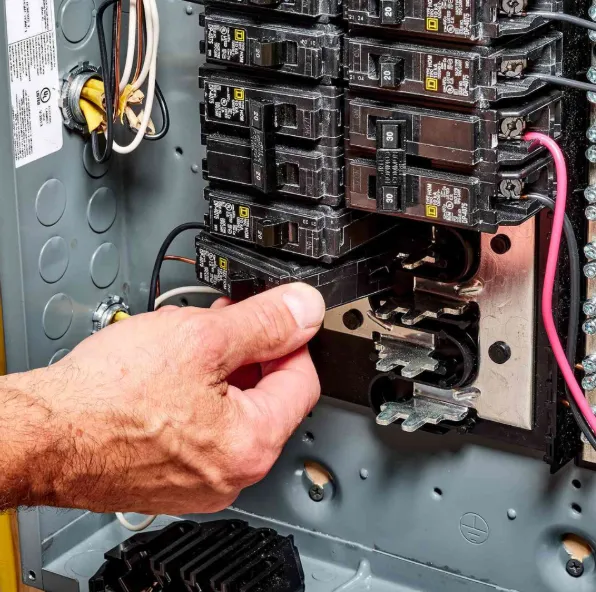
You've got the underside of the roof, insulation, ventilation, electrical wiring, ductwork, and sometimes plumbing all sharing the same space.
A warm bedroom might be related to missing insulation. A musty smell could point to moisture. A ceiling stain may be the first visible sign of a roof issue that's been developing for months.
Here in the Carolinas, summer heat and humidity can be especially hard on attic spaces. September is a useful time to see how that space handled the summer and catch anything that needs attention before the seasons change.
Closing Thoughts
This inspection was a good example of why the parts of a home you rarely see still deserve attention.
The homeowners knew something felt different upstairs, but there wasn't an obvious problem inside the rooms themselves. The attic gave us the answers.
If you're in the Carolinas and you've noticed uneven temperatures, musty smells, ceiling stains, or anything else that seems different around the upper part of your home, the attic is one of the places worth checking.
Sometimes what looks like a small comfort issue downstairs starts with something simple that was missed upstairs.
Thanks for reading,
– Ryan Pigg
Address
12824 Cathy Ct, Midland, NC 28107, United States


© 2025 ClearVUE Home Inspection. All rights reserved.