

We're Here to Assist You
After the Build: What Really Matters Now
Category: Holiday
Published: 09 April 2026
By Ryan, Owner, ClearVUE Home Inspection
What I Walked Into
April is when I start getting more calls from homeowners who have just moved in or are about to close on a home here in the Carolinas. The house looks finished, everything feels new, and on the surface, there aren’t any obvious problems.
A couple weeks ago, I got a call from a family who had just moved into a recently built home outside Charlotte. They said everything looked great at first, but after a few weeks, they started noticing a few things—some scratching sounds in the walls at night, a slight smell in one area of the house, and a bit of uneven temperature in a couple rooms.
Nothing major, but enough to make them uncomfortable in a brand-new home.


The Problem
Once I started going through the inspection, the situation made more sense pretty quickly. This wasn’t a full infestation or anything out of control, but there were clear early signs of rodent activity that had likely started not long after construction wrapped up.
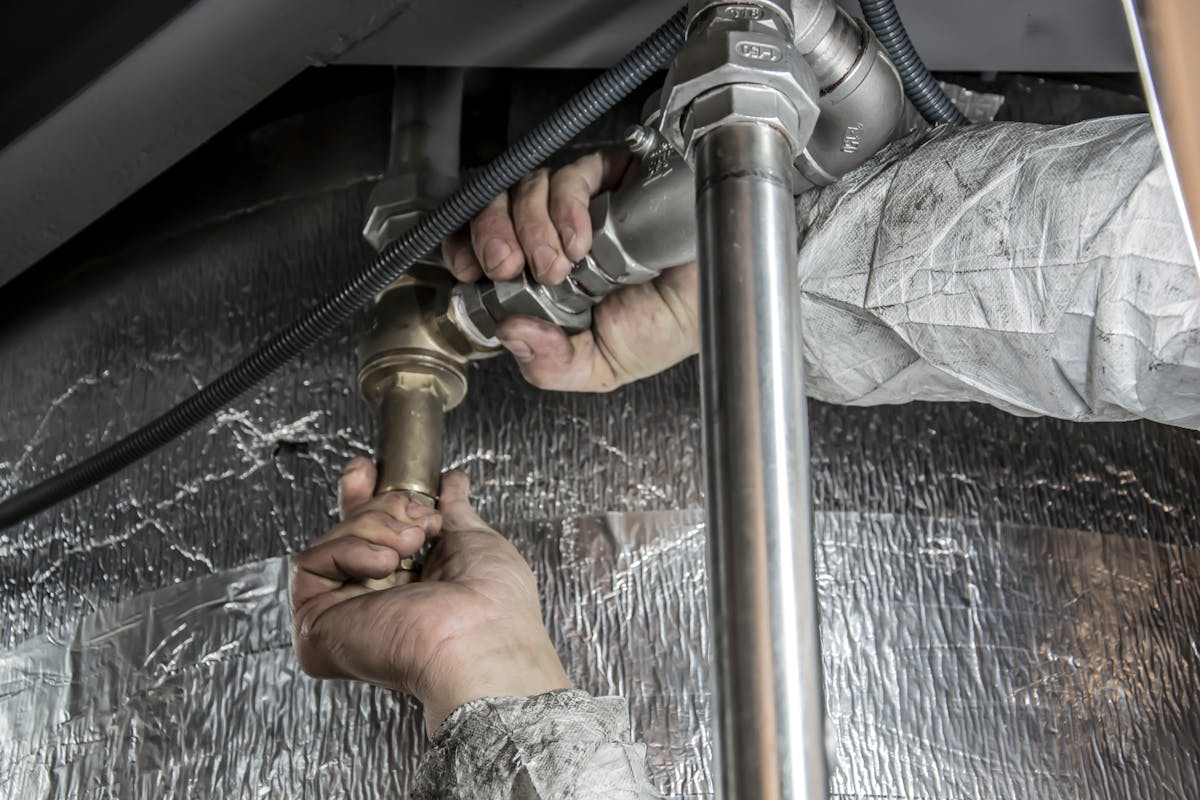
Along the exterior, I found a few small gaps where utility lines entered the home. These are easy to miss during construction, especially toward the end when things are moving fast. To a homeowner, they don’t look like much—but to a rodent, they’re a direct entry point.
In the attic, I saw light signs of activity. Nothing widespread, but enough to show something had already gotten in and moved around a bit. The insulation in a few spots had been disturbed, which is usually one of the first indicators.
There were also a couple areas where airflow wasn’t balanced well. Some rooms were warmer or cooler than others, and when I checked, it lined up with areas where insulation coverage wasn’t consistent.
This is something I run into fairly often in newer homes across the Carolinas. The house is finished, everything looks clean, but small details—like sealing, insulation, or airflow—can get missed. Once someone moves in, those details start to show up as comfort issues or, in this case, pest entry.
The Process
I started outside, walking the full perimeter of the home. I checked along the foundation, siding, and especially around penetration points—places where plumbing, HVAC, or electrical lines come through the exterior. That’s where I usually find gaps, and that’s exactly what showed up here.
From there, I moved into the attic and crawlspace. I checked insulation coverage to see if it was even and undisturbed, and I looked closely for any signs of movement or entry points. I also checked to make sure there weren’t any openings that could connect the outside directly into the structure.
Inside the home, I focused on airflow and comfort. I checked vents, compared room temperatures, and noted where things felt off. When those patterns match what’s happening in the attic or exterior, it helps connect the dots.
I documented everything with photos and simple notes. Then I sat down with the homeowners and walked them through it. I kept it straightforward—what I found, where the problems were starting, and what needed to be sealed or adjusted.
The Outcome
The homeowners moved on the fixes right away. They had the exterior gaps sealed, made a few insulation adjustments in the attic, and closed off the entry points before anything could get worse.
Because it was caught early, the issue never turned into a larger pest problem. There was no need for major cleanup or repairs—just small corrections at the right time.
When I followed up later, they told me the difference was clear. The scratching sounds were gone, the slight smell had disappeared, and the temperature in the home felt more balanced. Everything felt more normal.
More than anything, they felt settled. They weren’t questioning whether something was wrong behind the walls anymore. That’s usually the biggest change—going from noticing small things to feeling comfortable in your home again.


DIY Advice I Shared
Before I left, I gave them a few simple things they could keep an eye on going forward. These aren’t complicated, but they help catch small issues before they turn into bigger ones.
I told them to walk around the exterior every now and then and look for small gaps or openings, especially around utility lines where pests can easily get in.
I also suggested checking attic access areas from time to time for any signs that insulation has been disturbed. That’s usually one of the first indicators that something has been active up there.
We talked about paying attention to new sounds as well, especially at night. That’s often when early activity shows up before it becomes obvious during the day.
I mentioned keeping an eye out for any unusual smells and trying to track where they’re coming from, since that can point to hidden issues.
Inside the home, I recommend making sure vents and returns stay open and not blocked, and to notice if any rooms start to feel off in temperature, which can be a sign of airflow or insulation problems.
They stayed on top of those things, and it helped keep everything under control without any further issues.
"It's brighter than before!"
— Megan
Professional Insight
A lot of people assume that once a home is finished, everything behind the walls is set and done. From the outside, it usually looks that way. But in reality, small details can get missed during construction—especially toward the end when things are moving quickly and everyone is trying to wrap up.
What I usually see aren’t major defects. It’s smaller things—gaps that weren’t sealed, insulation that isn’t consistent, or minor placement issues with ducts or lines. On their own, they don’t seem like a big deal. But once someone moves in, those are the things that start showing up as drafts, uneven temperatures, or even pest entry points.
That’s why post-build or pre-move-in inspections matter. It’s not about tearing a house apart or pointing out big problems. It’s about taking a close look while everything is still new and figuring out if anything was overlooked.
Most of these issues don’t show up during a walkthrough or closing. They show up after you’ve been living in the home for a few weeks—when you start noticing how the house actually performs day to day.
Closing Thoughts
This one was a good reminder that just because a home is new doesn’t mean it’s problem-free. Most of the time, it’s the smaller things that show up first.
If you’re in the Carolinas and something feels off in your home—even if it’s minor—it’s usually worth taking a closer look.
Thanks for reading,
– Ryan Pigg
Address
12824 Cathy Ct, Midland, NC 28107, United States


© 2025 ClearVUE Home Inspection. All rights reserved.