Your 2025 Inspection Recap – The Most Common Issues We Found
Roof Wear and Attic Concerns
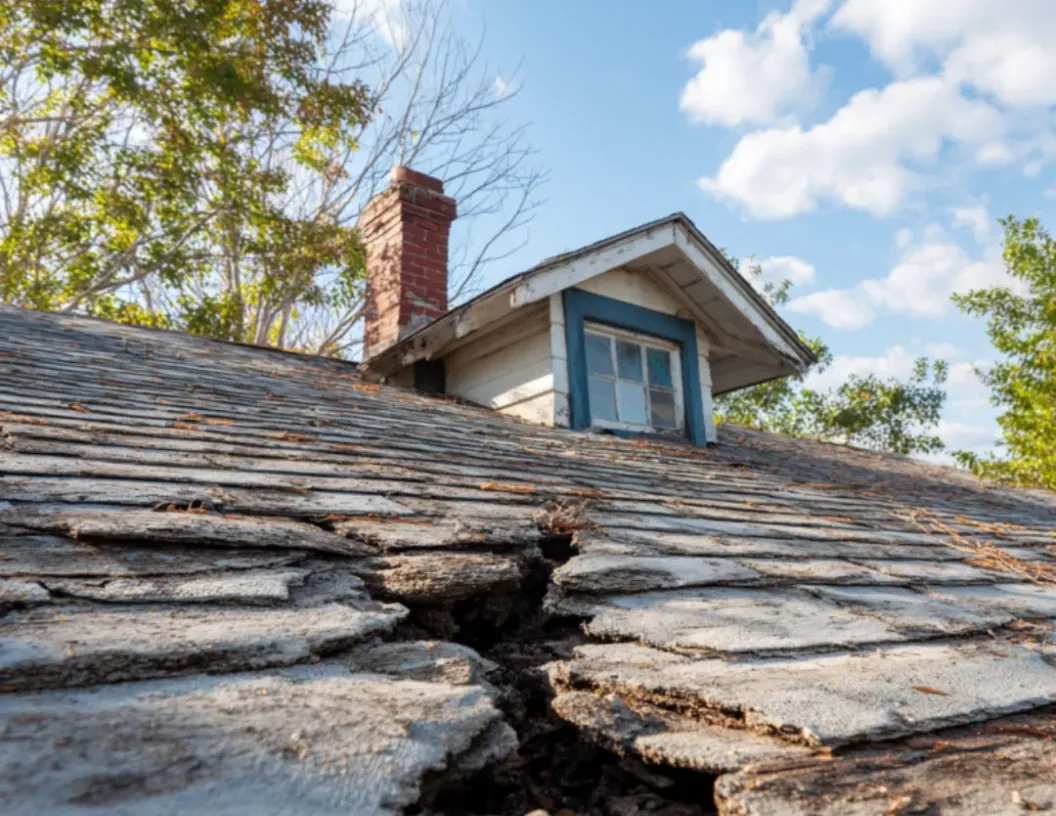
Your roof and attic work together as the first line of defense against rain, snow, wind, and temperature changes. In 2025, they topped our list of inspection issues. When these areas are neglected, even minor damage can quickly escalate into costly repairs.
Here are the most common findings:
Missing or Damaged Shingles
Shingles protect the roof’s structure from moisture and UV damage.
Missing or cracked shingles allowed water to seep beneath the roof layer.
Over time, this causes leaks, ceiling stains, and even structural wood rot.
Flashing Failures Around Chimneys and Vents
Flashing is meant to seal gaps where the roof meets walls, chimneys, or vents.
We often found corroded, loose, or improperly installed flashing.
These failures created openings for rainwater, leading to hidden moisture intrusion.
Insufficient Attic Insulation
Many homes lacked adequate insulation levels, especially in older properties.
Thin or uneven insulation led to drafty rooms and inconsistent indoor temperatures.
Insulation gaps also forced HVAC systems to work harder, increasing energy costs.
Poor Attic Ventilation
Without balanced airflow, attics became hot and humid—especially in summer.
Moisture buildup encouraged mold growth and damaged roof decking.
In winter, poor ventilation contributes to ice dams, which can lift shingles and cause water damage.
Other Common Issues in Roof & Attic Areas
Pest activity: Rodents and birds often nested in attics, chewing through insulation and wiring.
Sagging rooflines: Indicated structural stress from water damage or aging materials.
Blocked gutters: Overflowing gutters pushed water under shingles and toward foundations.
Plumbing Leaks and Drainage Problems
Water-related issues were among the most common findings in our 2025 inspections. Even minor plumbing problems can quickly escalate into costly repairs when left unchecked. From wasted water to hidden damage, these issues were seen in homes of all ages and sizes.
Here are the most frequent plumbing concerns we identified:
Dripping Faucets and Running Toilets
Constant drips may seem small but can waste hundreds of gallons of water each month.
Running toilets not only increase utility bills but also indicate worn flappers or faulty fill valves.
Over time, these inefficiencies add unnecessary costs for homeowners.
Hidden Leaks Under Sinks and Cabinets
Many homeowners were unaware of slow leaks until water damage became visible.
Moisture beneath sinks warped cabinetry, caused musty odors, and encouraged mold growth.
Left unresolved, leaks weakened flooring and created potential health hazards.
Slow Drains and Partial Clogs
Early signs like bubbling, foul odors, or slow drainage often pointed to developing blockages.
Hair, grease, and soap buildup were the most common culprits.
If ignored, these clogs advanced to full backups, requiring costly professional intervention.
Aging or Inefficient Water Heaters
Many units showed sediment buildup, which reduced heating efficiency and capacity.
Corrosion and rust around tanks signaled leaks or nearing failure.
Older systems often struggled to meet household hot water demands, especially during gatherings.
Electrical System Red Flags
With modern homes relying heavily on electronics, appliances, and smart devices, electrical safety continues to be a major concern. In 2025, many of our inspections uncovered electrical issues that ranged from minor inconveniences to serious fire hazards. Addressing these early is key to protecting your home and family.
Here are the most common electrical problems we identified this year:
Overloaded Circuits and Tripped Breakers
Frequent breaker trips indicated circuits were handling more load than designed.
Overuse of power strips and extension cords added to the risk.
Overloaded circuits not only cause outages but also pose a fire hazard if wires overheat.
Outdated Wiring Systems
Older homes often still used knob-and-tube or aluminum wiring.
These systems are prone to overheating, corrosion, and poor compatibility with modern appliances.
We often recommended full or partial rewiring for safety and compliance with current standards.
Improperly Installed or Unprotected Outlets
Many homes lacked GFCI (Ground Fault Circuit Interrupter) outlets in high-moisture areas such as kitchens, bathrooms, basements, and outdoors.
Without GFCIs, homeowners risked shocks or electrocution.
We also found reversed polarity, loose connections, and DIY wiring that increased danger.
Non-Functioning Smoke and Carbon Monoxide Detectors
Alarm systems were missing, expired, or not properly tested.
In some cases, batteries were removed entirely, leaving families unprotected.
Detectors are vital early-warning systems for fire and gas leaks, yet often neglected.
HVAC System Inefficiencies
Heating and cooling systems are the backbone of home comfort, and in 2025 they were one of the most common problem areas we documented. From dirty filters to aging parts, small inefficiencies quickly added up to higher bills, uneven temperatures, and more frequent breakdowns. Regular maintenance proved to be the difference between reliable comfort and costly emergency repairs.
Here are the most frequent HVAC issues we uncovered this year:
Dirty or Clogged Filters
Filters were often overdue for replacement, restricting airflow through the system.
Reduced airflow made furnaces and air conditioners work harder, raising energy costs.
Dust and allergens circulating through dirty filters also impacted indoor air quality.
Ideally, filters should be checked monthly and replaced every 1–3 months.
Worn-Out or Failing Parts
Many units showed signs of failing components like blower motors, belts, or bearings.
Strange noises (rattling, squealing, or banging) pointed to mechanical wear.
Frequent cycling on and off stressed the system, signaling deeper issues.
Left unresolved, small part failures often cascaded into full system breakdowns.
Leaky or Poorly Sealed Ductwork
Duct inspections revealed air leaks that wasted 20–30% of heated or cooled air.
Some rooms received little airflow, leaving guests uncomfortable.
Dust and debris entering through leaks reduced air quality and system efficiency.
Proper sealing and insulation of ducts significantly improved performance.
Lack of Routine Maintenance
Many systems had not received annual tune-ups, shortening their lifespan.
Neglected cleaning allowed dust, debris, and even mold to build up inside units.
Refrigerant levels in AC units were often low, reducing cooling performance.
Preventative servicing could have extended equipment life by several years.
Don’t wait for an emergency to remind you of the importance of regular inspections. Start the new year on the right foot with a ClearVUE Home Maintenance Inspection. Our detailed, same-day reports—with photos, summaries, and clear recommendations—make it easy to plan repairs, upgrades, and preventive maintenance before issues escalate.
